Old School Camo Mallard Duck Hunting PNG: A Digital Asset for Authentic Branding
The modern design landscape is saturated with sleek, minimalist aesthetics. While effective, this can sometimes feel disconnected from the rugged, authentic experiences many brands and creators aim to evoke. For those in the outdoor, sporting, or heritage lifestyle space, finding visual assets that carry genuine weight is crucial. This is where a specific piece of digital design shines: the Old School Camo Mallard Duck Hunting PNG. It’s more than just a graphic; it’s a vessel for a particular mood and message, perfectly suited for a wide range of creative projects.
Understanding the Visual Character of This Design Asset
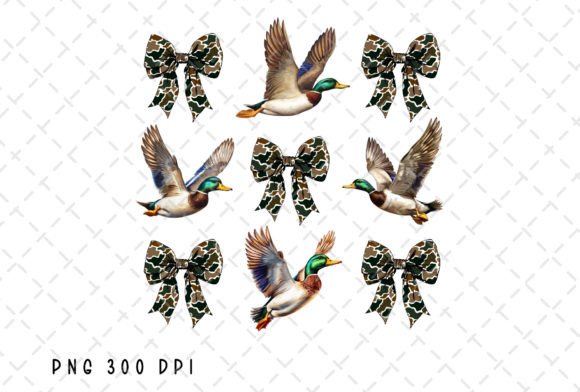
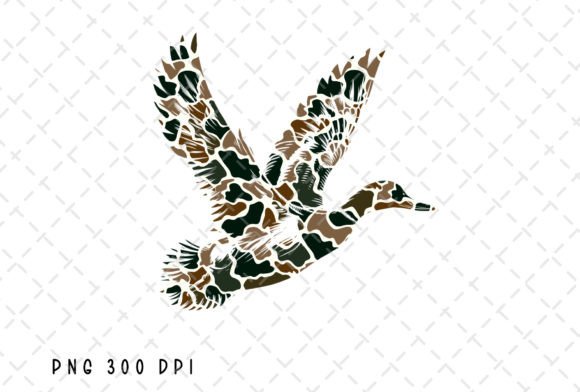
At its core, this sublimation-ready PNG file is a digital stamp of tradition. Its visual language is rooted in the classic, woodland camouflage patterns that hunters have trusted for generations, not the hyper-digital patterns of today. Integrated into this familiar backdrop is a meticulously crafted mallard duck, depicted in a dynamic, lifelike pose. The color palette is typically muted and natural—think deep greens, browns, and ochres—avoiding neon or overly vibrant tones. This creates an immediate sense of authenticity and timelessness.
The "old school" descriptor is key. It suggests a design that prioritizes character over crisp, vector-perfect lines. There might be subtle texturing or a slight vintage filter that gives the graphic depth and a tangible, almost printed-on-fabric feel. This isn't a sterile corporate logo; it's a piece of brand identity that tells a story of early mornings, misty marshes, and time-honored tradition. The transparent background is a practical feature, allowing it to be seamlessly layered onto any surface without the hassle of clipping paths.
Practical Applications: From Apparel to Branding
The true value of this creative font (in the broader sense of a design asset) lies in its versatility. For the entrepreneur launching a hunting apparel line, this PNG is foundational. Apply it to t-shirts, hats, and vests using sublimation printing to create products that resonate with the target audience. The design’s authenticity helps build immediate trust and recognition within the niche market.
For marketers and content creators in the outdoor industry, it becomes a powerful tool for visual storytelling. Use it to brand social media graphics, creating a cohesive look for a YouTube channel or Instagram feed focused on waterfowl hunting. It can anchor the cover of a digital magazine, serve as a compelling graphic for blog post headers, or enhance the visual appeal of email newsletters. The design’s strong personality ensures it stands out in a crowded digital feed, driving higher engagement.
Crafters and hobbyists will find it equally valuable. The high-resolution (300 dpi) file ensures quality results on physical products like mugs, tote bags, postcards, and custom signs. Imagine a set of personalized greeting cards for a hunting club or a custom-printed cooler bag—this asset elevates a simple project into something with professional flair and sentimental value. It transforms ordinary objects into statements of passion.
Strategic Integration into Your Projects
Using a premium font or asset effectively requires more than just placement; it demands strategic integration. When incorporating the Old School Camo Mallard Duck Hunting Sublimation PNG into a logo design or broader brand identity, consider its scale and context. It works exceptionally well as a primary emblem for a brand whose core values align with heritage and the outdoors. Paired with a strong, clean sans serif font for body text, the graphic can take center stage without sacrificing readability.
In editorial design or packaging design, think about visual hierarchy. This asset has a bold presence, so it should be used to draw the eye. On a product label, it could sit prominently above the product name, which might be set in a complementary serif font to balance the ruggedness of the graphic with a touch of classic elegance. This font pairing strategy creates a sophisticated yet approachable aesthetic.
For web design, use it judiciously. It might be perfect for a hero section background on a hunting guide’s website or as a repeating pattern in a subtle footer element. Its key strength is in social media graphics where high-impact visuals are necessary to stop the scroll. Always test the design on mockups before finalizing—see how it looks on a physical shirt or a coffee mug to ensure the colors and details translate perfectly from screen to print.
Key Considerations Before You Create
First and foremost, understand the licensing. The instructions are clear: you cannot resell the original digital files. This is a common and crucial term for design assets. Your license is for using the design to create and sell finished physical products (like those t-shirts or mugs) or to incorporate it into a digital project (like a website or social media campaign) for your or your client's brand. If you plan to use it for a large commercial campaign, it’s wise to review the official terms or reach out to support for clarity—professional diligence is always a best practice.
Evaluate the fit for your specific project. Does its personality align with your message? A vintage camo duck graphic is perfect for a hunting supply store, a wild game cooking blog, or a local conservation club. It might be less suitable for a tech startup or a luxury skincare line, unless used in a highly ironic or contextual way. The goal is coherence between the visual and the verbal message.
Finally, consider the technical details. The 4,000×4,000 pixel size at 300 dpi provides ample room for large-format printing and high-quality digital use. The transparent background is a significant time-saver, but always double-check the edges in your design software to ensure clean integration. This asset is a tool, and like any good tool, its effectiveness depends on the skill and intention of the person wielding it.
Ultimately, the Old School Camo Mallard Duck Hunting PNG is a specialized instrument for creators who value authenticity. It’s a shortcut to building a visual world that feels genuine, experienced, and connected to a specific tradition. In a world of generic design, such specificity is a powerful differentiator, capable of forging a stronger connection with your audience and giving your projects a distinctive, professional edge.